Essential Gear for New Runners: Shoes and Apparel
Starting a running routine often involves selecting gear that supports comfort and reduces the risk of discomfort. For new runners, the array of options can seem overwhelming, but understanding the core categories of equipment can simplify the process. This article outlines key considerations for choosing running shoes, moisture-wicking clothing, and accessories, with a focus on how these items may contribute to a more pleasant running experience.
The information provided is intended to offer general guidance and is not a substitute for professional advice. Individual needs vary based on factors such as foot type, running surface, climate, and personal preferences. Therefore, any decisions about gear should be made with those variables in mind.
By exploring the functions and features of different gear types, new runners can make more informed choices that align with their specific circumstances. The goal is to highlight common practices and considerations rather than prescribe a one-size-fits-all solution.
Understanding Running Shoe Basics
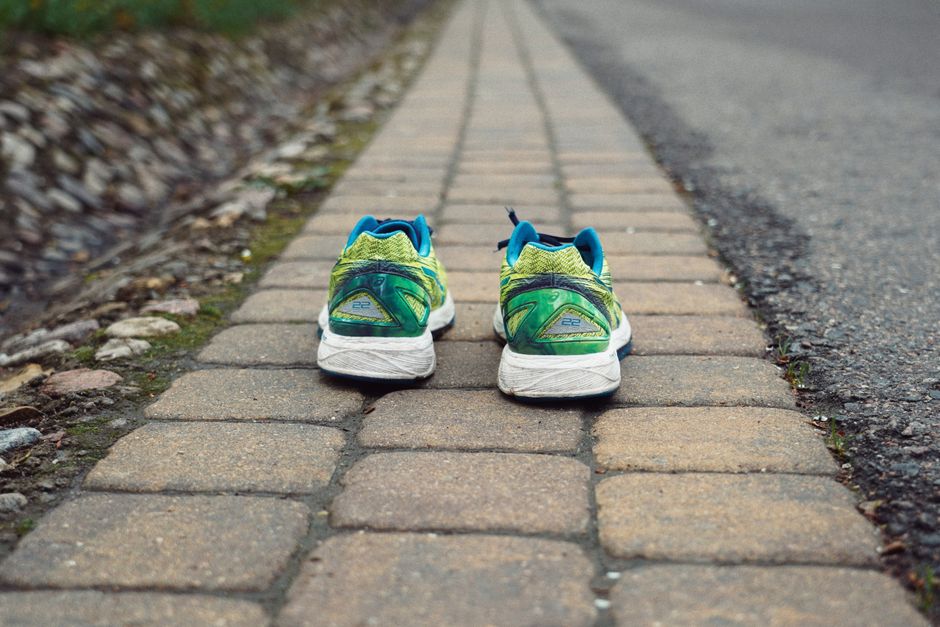
Running shoes are often considered the most critical piece of equipment for new runners. They provide cushioning, support, and protection against the repetitive impact of running. Shoes are generally categorized by their cushioning level, stability features, and intended use, such as road running or trail running. Understanding these categories can help runners identify which type might suit their biomechanics and running environment.
When selecting running shoes, factors such as arch type, pronation, and preferred drop (heel-to-toe offset) come into play. A common approach is to visit a specialty running store where gait analysis may be offered. This can provide insights into how a runner’s foot strikes the ground and whether additional support might be beneficial. However, it’s important to note that gait analysis is not a medical assessment and results can vary.
Another consideration is shoe fit. Shoes should allow for some toe room to accommodate foot swelling during runs. The heel should be snug to prevent slipping, and the midfoot should feel secure without being tight. Trying shoes later in the day, when feet are slightly larger, is a practical tip. Rotating between multiple pairs can also extend shoe lifespan and vary stress on the feet.
Finally, shoe lifespan depends on factors like running surface, body weight, and running style. Most running shoes lose cushioning after a certain mileage, often cited as 300 to 500 miles. Keeping track of mileage can help runners know when to replace their shoes, though this is a general guideline and individual experiences may differ.
The Role of Moisture-Wicking Clothing
Moisture-wicking clothing is designed to pull sweat away from the skin to the outer surface of the fabric, where it can evaporate more quickly. This can help regulate body temperature and reduce chafing, which is a common issue for runners. Unlike cotton, which absorbs sweat and stays wet, moisture-wicking fabrics are typically made from synthetic fibers like polyester, nylon, or blends with elastane for stretch.
For new runners, a basic running wardrobe might include a moisture-wicking t-shirt or tank top, shorts or tights, and socks. In cooler weather, layering with a moisture-wicking base layer, an insulating mid-layer, and a windproof or waterproof outer shell can be effective. The key is to avoid cotton next to the skin, as it can lead to discomfort and increased risk of skin irritation.
Socks are often overlooked but play a significant role in foot comfort. Moisture-wicking socks, often made of synthetic materials or merino wool, can help prevent blisters by keeping feet dry. Seamless designs and varying thickness levels can also address specific needs. Some runners prefer compression socks for added support, though evidence on performance benefits is mixed.
When choosing clothing, consider the fit and freedom of movement. Garments should not restrict range of motion or cause chafing. Flatlock seams and tagless designs are common features in running apparel to minimize irritation. Reflective elements are also valuable for visibility in low-light conditions, enhancing safety without being intrusive.
Accessories for Comfort and Convenience
Beyond shoes and clothing, several accessories can enhance the running experience. A well-fitting sports bra is essential for female runners, offering support and reducing bounce. Look for moisture-wicking fabrics and adjustable features for a personalized fit. For male runners, moisture-wicking underwear can help prevent chafing.
Hydration accessories, such as handheld bottles, belts, or vests, allow runners to carry water during longer runs. The choice depends on distance, personal preference, and climate. For shorter runs, a handheld bottle may suffice, while longer distances might warrant a belt or vest. It’s important to test these accessories during training to ensure comfort and ease of use.
Other useful items include a running watch or fitness tracker to monitor pace and distance, though these are optional. Headwear like caps or visors can provide sun protection, while sweatbands can keep sweat out of the eyes. In colder weather, gloves and ear warmers can help maintain comfort. Each accessory should serve a purpose and not add unnecessary bulk.
Finally, consider safety accessories such as reflective gear or a headlamp for running in low-light conditions. These items increase visibility to others and can help prevent accidents. As with all gear, the goal is to support the running activity without causing distraction or discomfort.
Making Informed Choices
Selecting running gear is a personal process that depends on individual needs, preferences, and running goals. New runners may benefit from starting with essentials and gradually adding items as they gain experience. It’s advisable to prioritize comfort and function over trends or brand names. Testing gear on short runs before committing to longer distances can help identify any issues early.
When shopping, reading reviews and seeking advice from experienced runners can provide useful perspectives. However, what works for one person may not work for another. Therefore, a trial-and-error approach is common. Many specialty stores have return policies that allow runners to test shoes and apparel under certain conditions, which can be helpful.
Budget considerations also play a role. While high-end gear may offer advanced features, there are often affordable options that meet basic needs. Focusing on fit, materials, and construction quality can guide value-based decisions. Remember that expensive gear does not guarantee a better experience; it’s about finding what works for you.
Lastly, keep in mind that gear is just one aspect of running. Proper training, gradual progression, and listening to your body are equally important. Gear can support comfort and potentially reduce injury risk, but it is not a substitute for sensible training practices. Always consult with a healthcare professional for any concerns about injuries or physical conditions.